
What Is a Remedial Massage and How Does It Work?
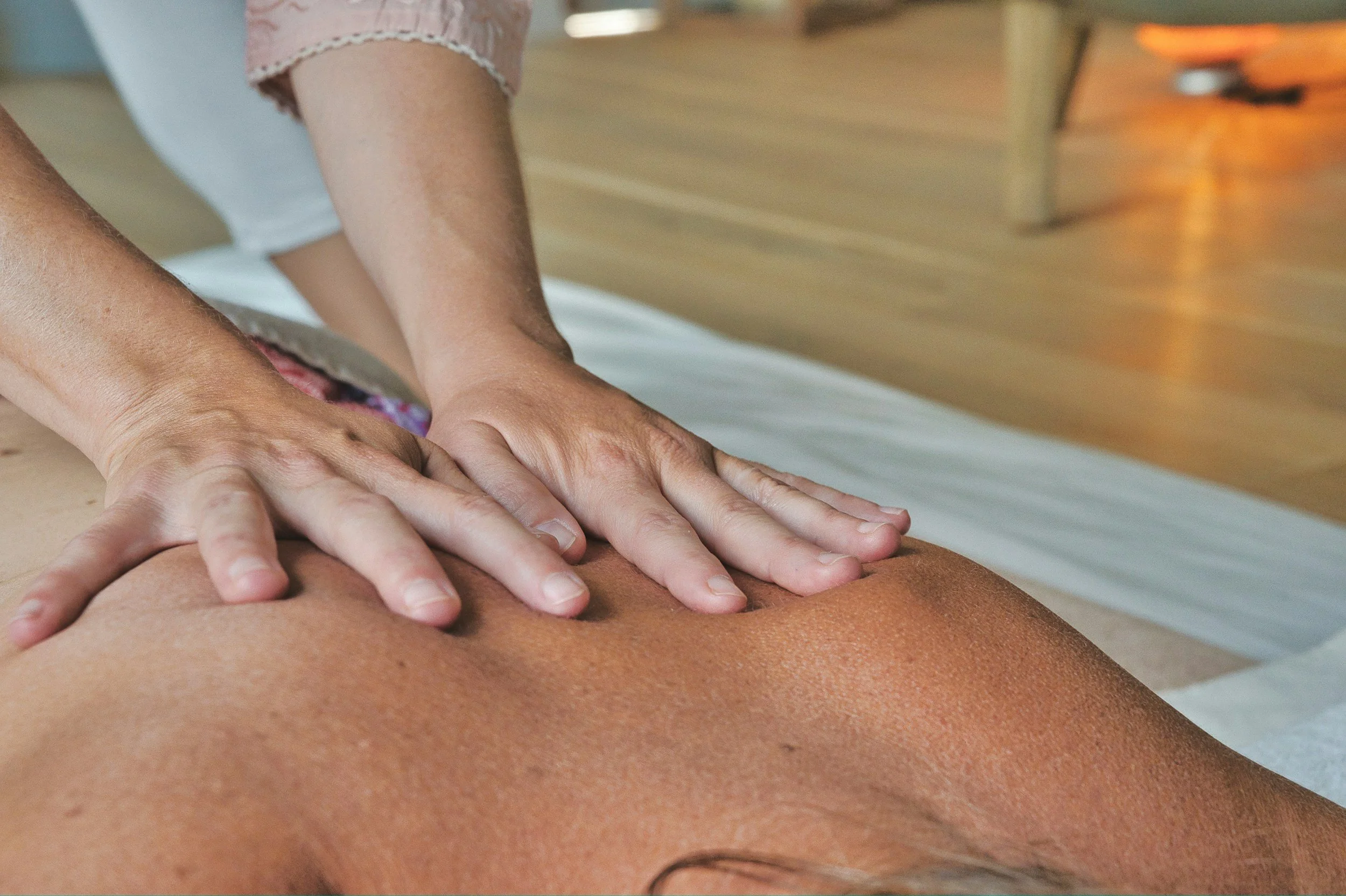
A remedial massage is a targeted, hands-on therapy designed to assess, treat, and manage muscle pain, tension, and soft tissue dysfunction. It focuses on identifying the root cause of discomfort rather than simply easing surface-level soreness. Using specific techniques, a qualified therapist works to improve muscle function, reduce pain, and support recovery from injury or ongoing physical strain.
Understanding Remedial Massage
Remedial massage is commonly used to address musculoskeletal issues such as tight muscles, restricted movement, postural imbalance, and pain caused by injury or overuse. Unlike relaxation massage, the purpose is clinical and is often used alongside other physical therapies, such as osteopathy, to support overall movement and recovery. The therapist begins with an assessment of posture, movement, and muscle condition, then applies techniques suited to the individual’s needs.
In Australia, remedial massage therapists often hold recognised qualifications and may be registered with health funds, allowing eligible clients to claim rebates. This makes remedial massage a practical option for both treatment and ongoing care.
How Remedial Massage Works
Remedial massage works by applying varying pressure to muscles, tendons, ligaments, and connective tissue. The techniques used aim to release tight fibres, improve blood flow, and support healing. Sessions may focus on a specific problem area such as the neck, shoulders, lower back, or legs.
During treatment, the therapist may use deep tissue work, trigger point therapy, stretching, and myofascial release. While some techniques can feel firm, the intention is always therapeutic and adjusted to suit comfort levels.
If you are curious about whether this type of treatment could suit your needs, Forma Health & Rehabilitation offers professional guidance and experienced care to help you make an informed choice.
Conditions Commonly Treated
Remedial massage is suitable for a wide range of conditions. Common reasons people seek treatment include:
Back and neck pain
Shoulder tension and headaches
Sports injuries and muscle strains
Postural issues from desk-based work
Sciatica and hip discomfort
Repetitive strain injuries
Reduced mobility following injury
It can also support recovery after surgery when approved by a healthcare professional.

Benefits of Remedial Massage
The benefits of remedial massage go beyond short-term relief. With consistent sessions, many people notice improved movement, reduced pain, and greater body awareness. As a form of massage therapy, remedial massage offers targeted treatment designed to address underlying muscular issues rather than just surface-level tension. Key benefits include:
Pain reduction through muscle release
Improved circulation to affected areas
Increased joint mobility and flexibility
Support for injury recovery
Reduced muscle tension and stiffness
Better posture and muscle balance
For those managing ongoing discomfort, regular remedial massage sessions at Forma Health & Rehabilitation can form part of a broader wellness plan.
What to Expect During a Session
A remedial massage session usually begins with a short consultation. The therapist will ask about your symptoms, medical history, and daily activities. This helps shape the treatment approach.
You will be positioned comfortably on a massage table, with only the area being treated exposed. Oil or balm may be used to allow smooth movement across the skin. Communication is encouraged throughout the session so pressure and technique remain suitable.
After treatment, the therapist may suggest simple stretches, hydration, or follow-up sessions to support results.
Remedial Massage vs Other Massage Types
It is helpful to understand how remedial massage differs from other forms of massage.
Relaxation massage focuses on calming the body and mind, using flowing movements and light to medium pressure. Sports massage shares some similarities with remedial massage, but is often aimed at performance and recovery for active individuals.
Remedial massage stands out for its assessment-based approach and focus on treating specific physical issues. It is often used alongside physiotherapy, chiropractic care, or exercise programs.
If you are unsure which option suits you best, a consultation with Forma Health & Rehabilitation can help clarify the most appropriate treatment.
Is Remedial Massage Right for You?
Remedial massage suits people of all ages, from office workers to athletes and older adults. It can be invaluable if you experience recurring pain, stiffness, or restricted movement that affects daily life.
However, it may not be suitable in some instances, such as acute infection, recent fractures, or specific medical conditions, without medical clearance. A qualified therapist will screen for these factors before treatment.
Frequency of Treatment
The ideal frequency of remedial massage depends on your condition and goals. Acute issues may benefit from weekly sessions for a short period, while maintenance care may involve fortnightly or monthly visits.
Your therapist will recommend a plan based on how your body responds to treatment. Consistency often leads to more lasting improvement.

Choosing a Qualified Remedial Massage Therapist in Australia
When choosing a remedial massage therapist, look for recognised qualifications, experience, and professional registration. This ensures safe practice and may allow you to claim private health insurance rebates.
Forma Health & Rehabilitation provides remedial massage services delivered by trained professionals who understand the needs of Australian clients and local health standards.
If you would like to explore how remedial massage could support your comfort and mobility, booking an appointment with Forma Health & Rehabilitation is a practical next step.
Book Your Remedial Massage Today
For those ready to take action, contact Forma Health & Rehabilitation today to book your remedial massage session and start addressing pain at its source.
Frequently Asked Questions
1. What is the difference between remedial massage and deep tissue massage?
Remedial massage is assessment-based and focuses on treating specific issues, while deep tissue massage refers to a technique that may be used within remedial treatment or other massage types.
2. Can I claim remedial massage on private health insurance?
In Australia, many private health funds offer rebates for remedial massage when provided by a registered therapist. Check with your insurer for details.
3. Does remedial massage hurt?
Some techniques can feel firm, especially when working on tight areas, but discomfort should remain manageable. Communication with your therapist helps maintain comfort.
4. How long is a typical remedial massage session?
Sessions usually last 30-60 minutes, depending on the area treated and your needs.
5. How soon will I feel results?
Some people feel relief after one session, while others notice gradual improvement over several treatments.
6. Can remedial massage help with posture?
Yes, by releasing tight muscles and addressing imbalances, remedial massage can support better posture over time.
