
Osteopathy
Pain and restriction are information, not a verdict.
Osteopathy at Forma takes a whole-body view of movement and function - joint mobility, muscle coordination, posture and breathing mechanics, all considered as part of one plan.
Sound familiar?
Treated as one joint. Felt like a whole-body problem.
A hip that won’t settle, a shoulder that’s never quite right - and treatment that only ever looks at the spot that hurts, while everywhere else quietly keeps compensating around it.
Osteopathy works from the opposite direction: how does the whole system move, breathe and coordinate - and what’s that one spot having to carry because of it?
How it works
The structure of a session
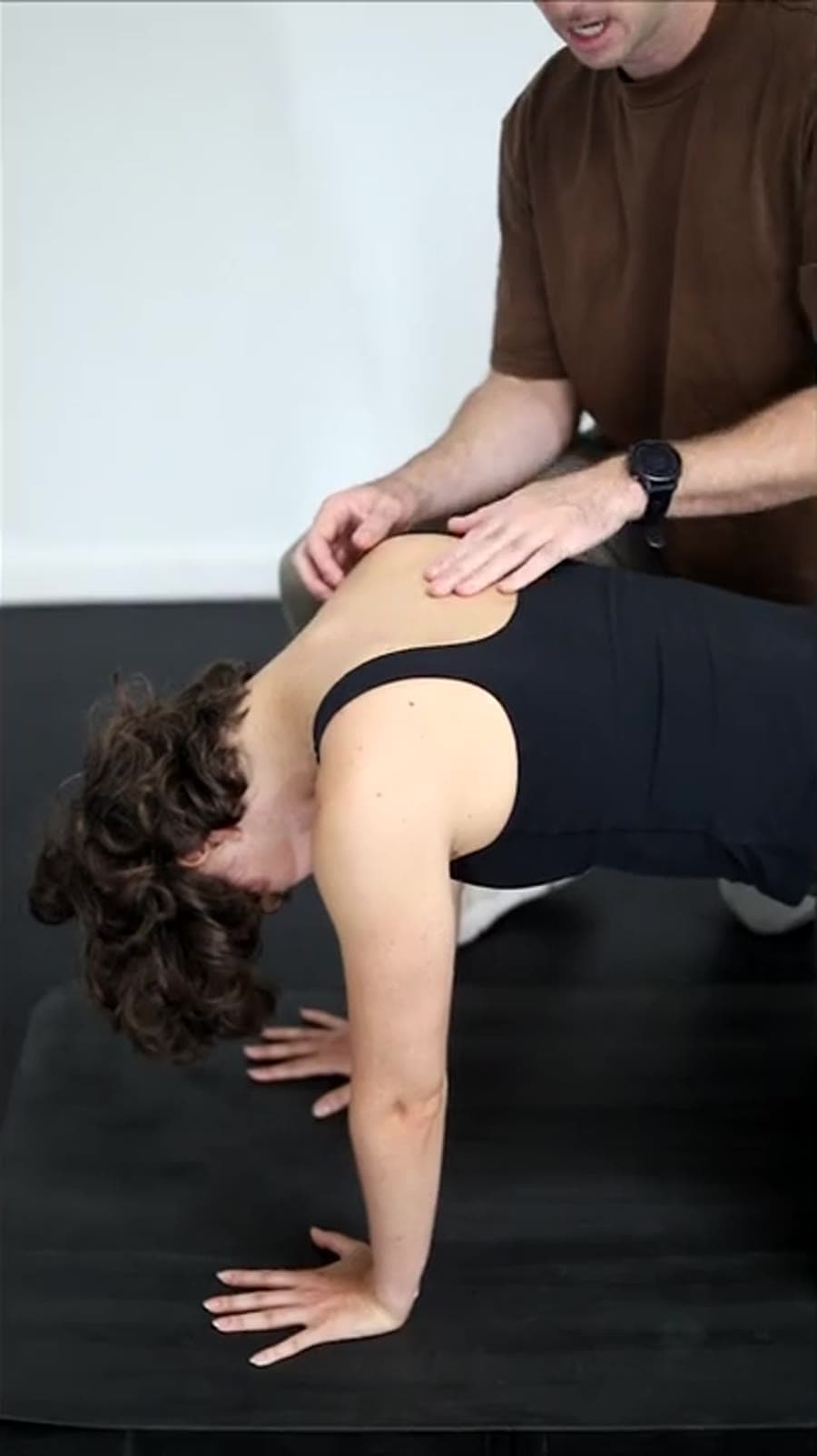
Assessment before treatment
How you move, breathe and hold yourself is assessed before any hands-on work begins - not assumed from where it hurts.
Purposeful hands-on care
Hands-on treatment is used with a clear reason behind it, as part of the plan your osteopath has explained to you.
Integrating care with active rehab
Treatment is paired with movement strategies you carry outside the clinic, so progress doesn't rely on another appointment.
What it can help with
Commonly assessed presentations
Questions
Frequently asked
What can osteopathy help with?
Osteopathy at Forma takes a whole-body view of movement and function - commonly addressing joint restriction, muscle coordination, postural strain and general musculoskeletal pain. Your osteopath will confirm what's appropriate after assessing you.
Is osteopathy safe?
Your osteopath will assess your presentation and talk you through whether osteopathic treatment is appropriate, including any relevant risks, before any hands-on care begins.
Do I need a referral to see an osteopath?
No referral is required to book an osteopathy consult at Forma.