
Restore Natural Movement with Dynamic Neuromuscular Stabilisation
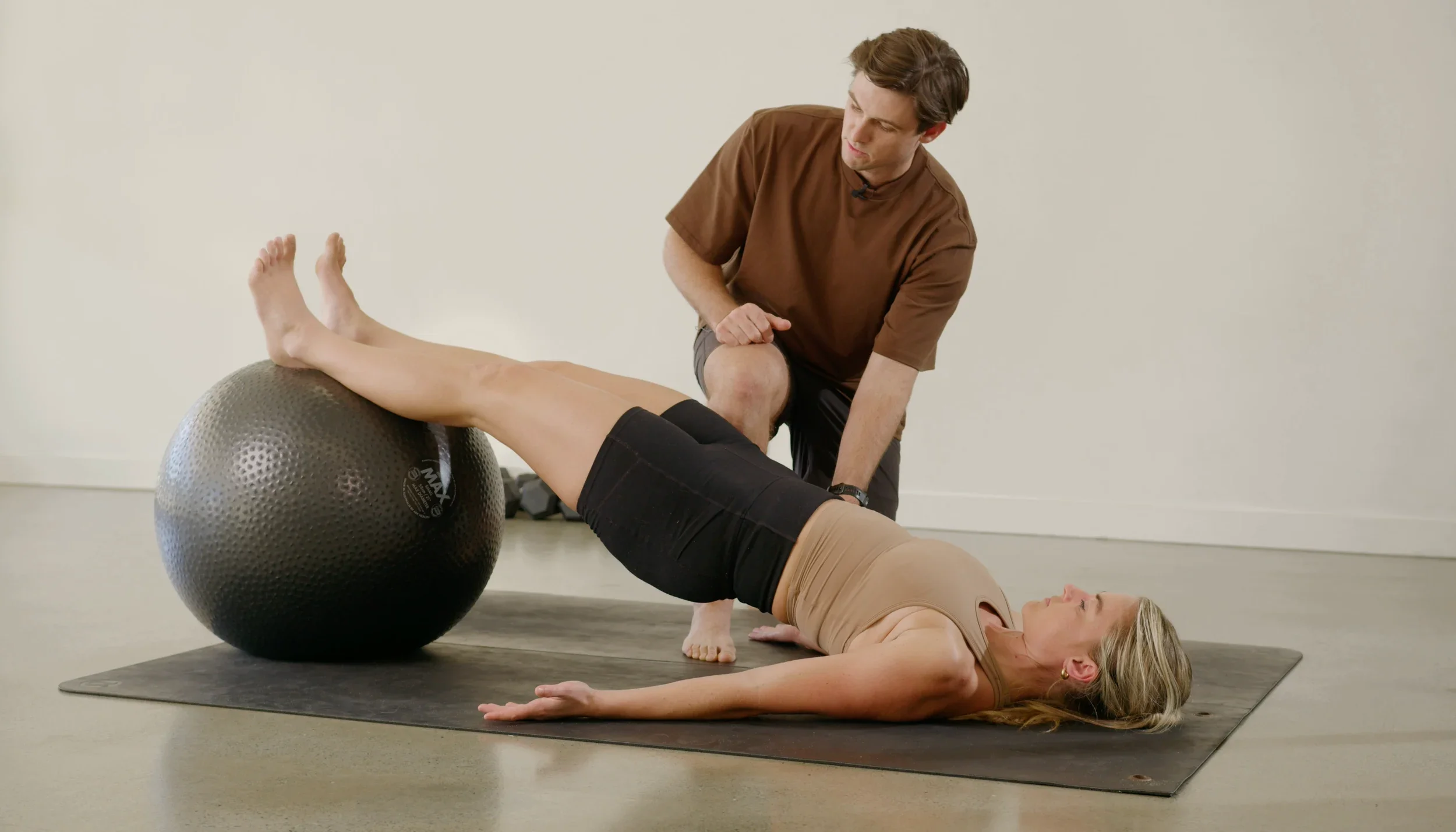
Dynamic Neuromuscular Stabilisation (DNS) is an exercise-based rehabilitation approach that considers breathing, posture and movement control. At Forma, DNS principles may be incorporated into a rehabilitation plan where relevant after assessment. .
What Is Dynamic Neuromuscular Stabilisation (DNS)?
Dynamic Neuromuscular Stabilisation, or DNS, is a method used to improve how the body moves by working with the way our brain controls muscles. It is based on how babies naturally develop movement without being taught, by building strength through breathing, balance, and proper use of muscles.
DNS helps to restore these natural patterns in people who may have lost them due to injury, pain, poor posture, or long-term habits. It focuses on stabilisation exercises that support the spine, especially the lower back, and help reduce stress on the body.
This approach is used by many health professionals, including chiropractors and those working in physical therapy and rehabilitation. DNS can be helpful for people dealing with back pain, muscle weakness, or issues caused by poor movement control. The aim is not just to treat pain, but to improve how the whole body works, from the nervous system down to how each muscle moves.
How DNS works at Forma Health & Rehabilitation
-
![Posture Assessment]()
Posture Assessment
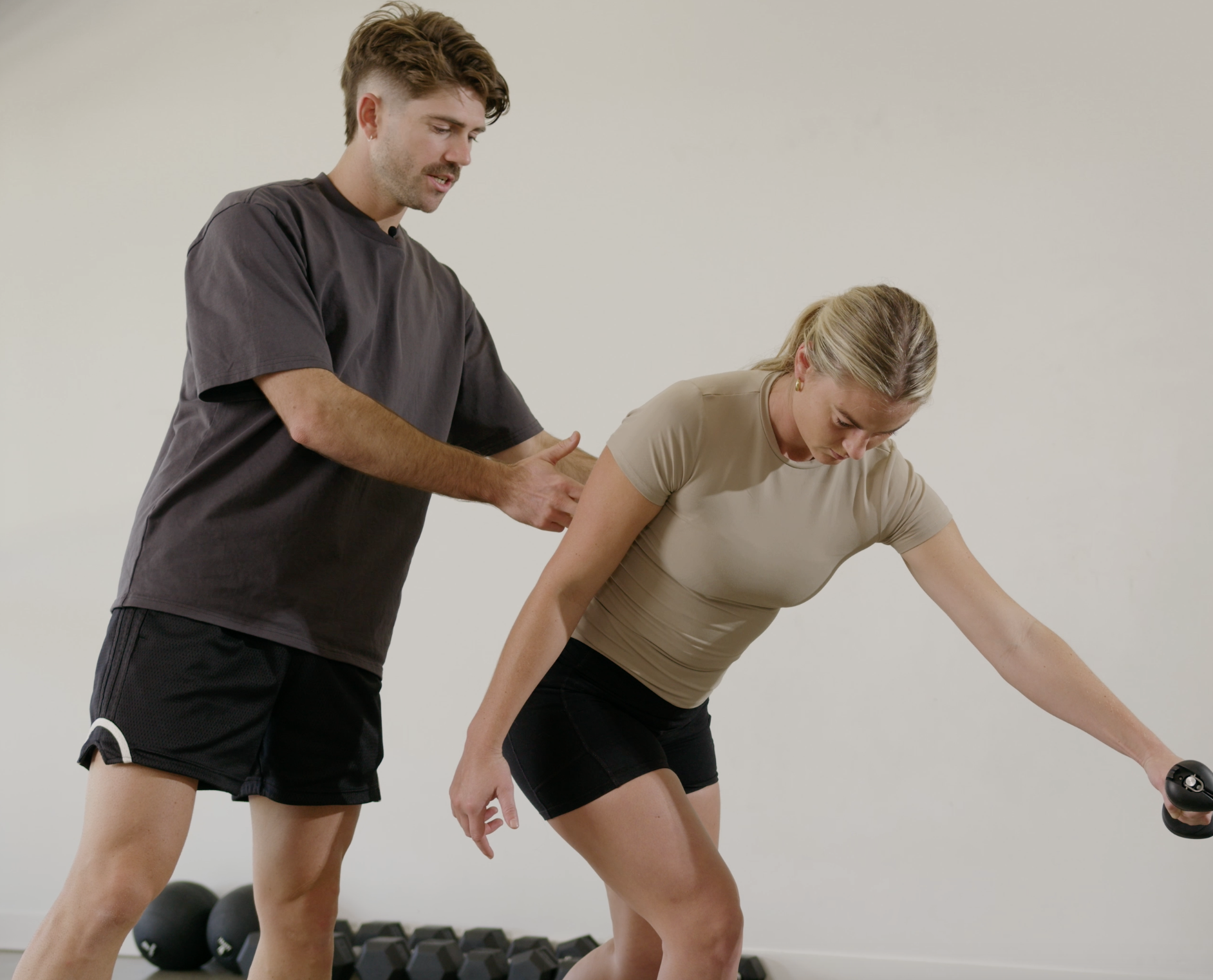
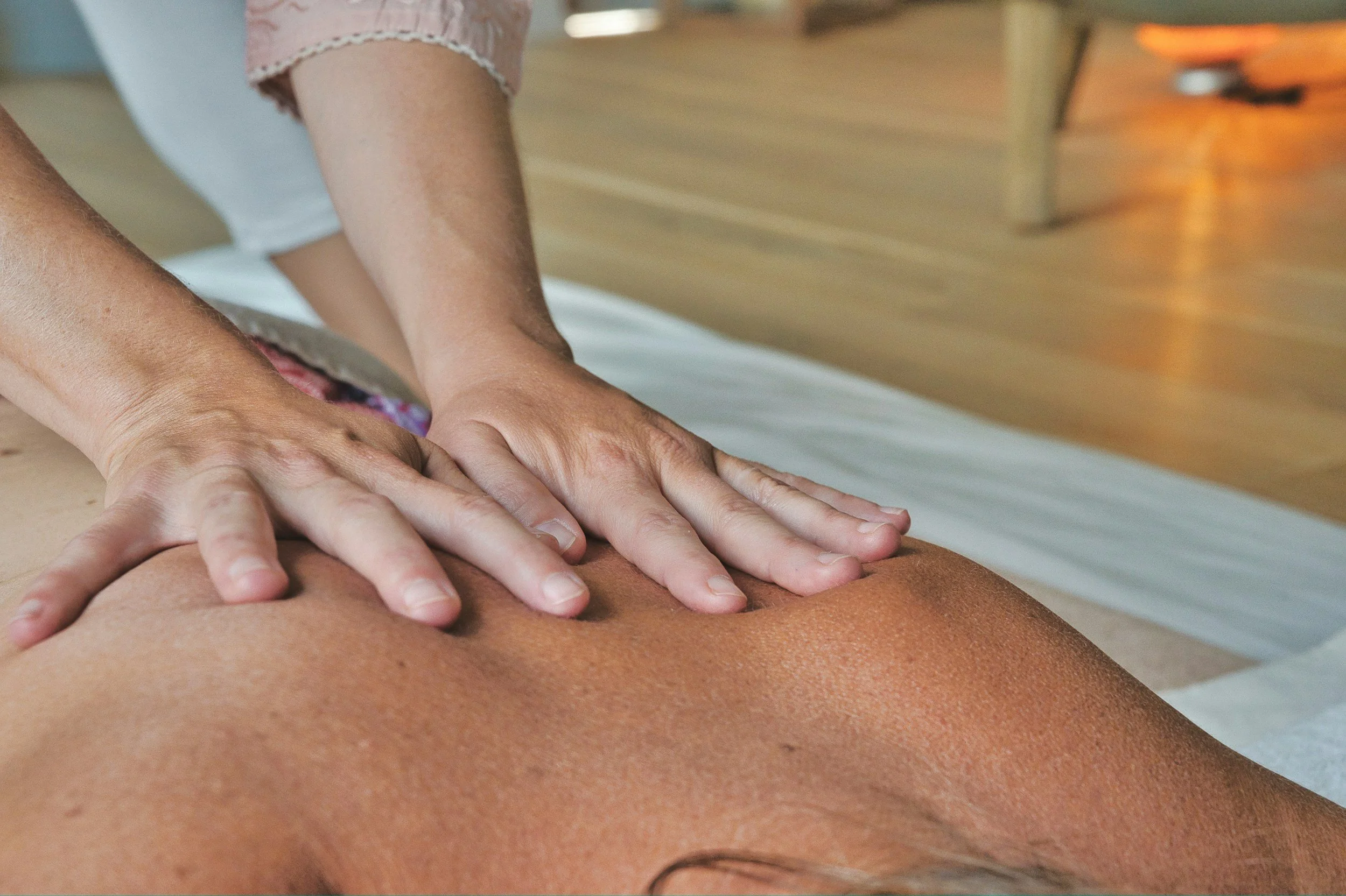
We begin by checking your breathing, back alignment, and how your muscles support basic movement to find the root cause of pain or weakness.
-
![Guided Exercises]()
Guided Exercises
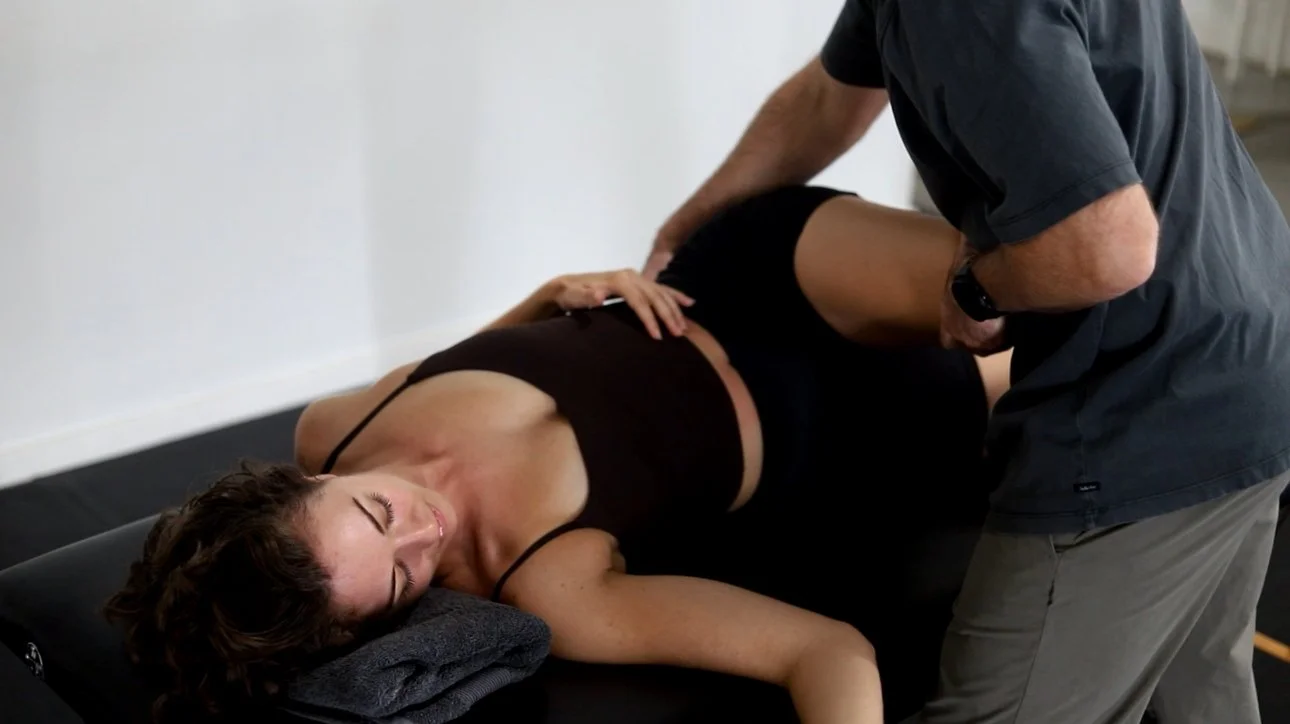
You’ll learn stabilisation exercises that support your spine, reduce pain, and build control in areas affected by injury, especially the lower back.
-
![Neuromuscular Reset]()
Neuromuscular Reset
DNS focuses on retraining the brain-body connection so your muscles work naturally and efficiently, just like they do during early childhood development.
-
![Rehab Integration]()
Rehab Integration
Our chiropractor combines DNS with rehabilitation and physical therapy methods to support long-term recovery from back pain, movement problems, or injury.
Who Can Benefit from DNS?
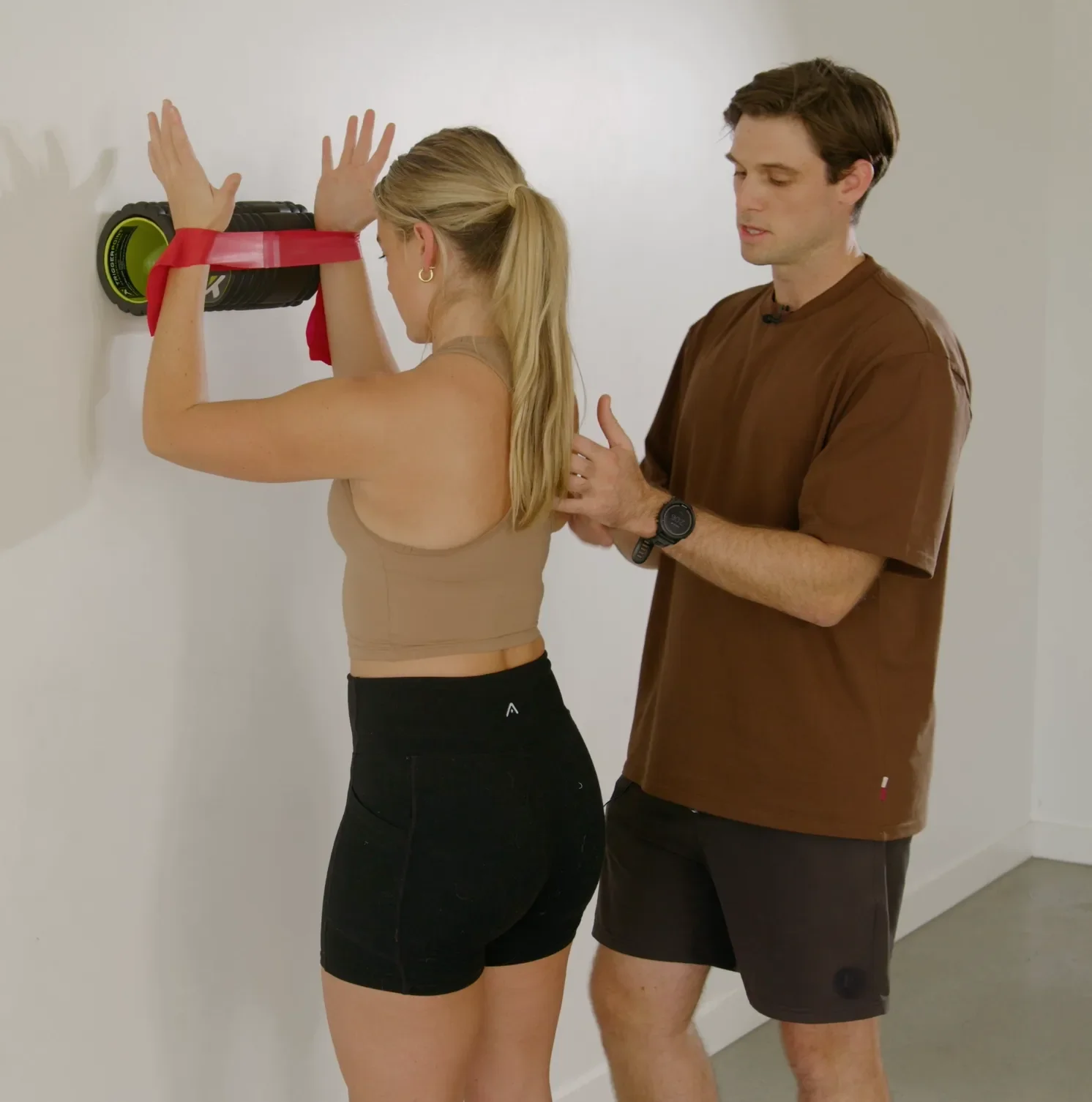
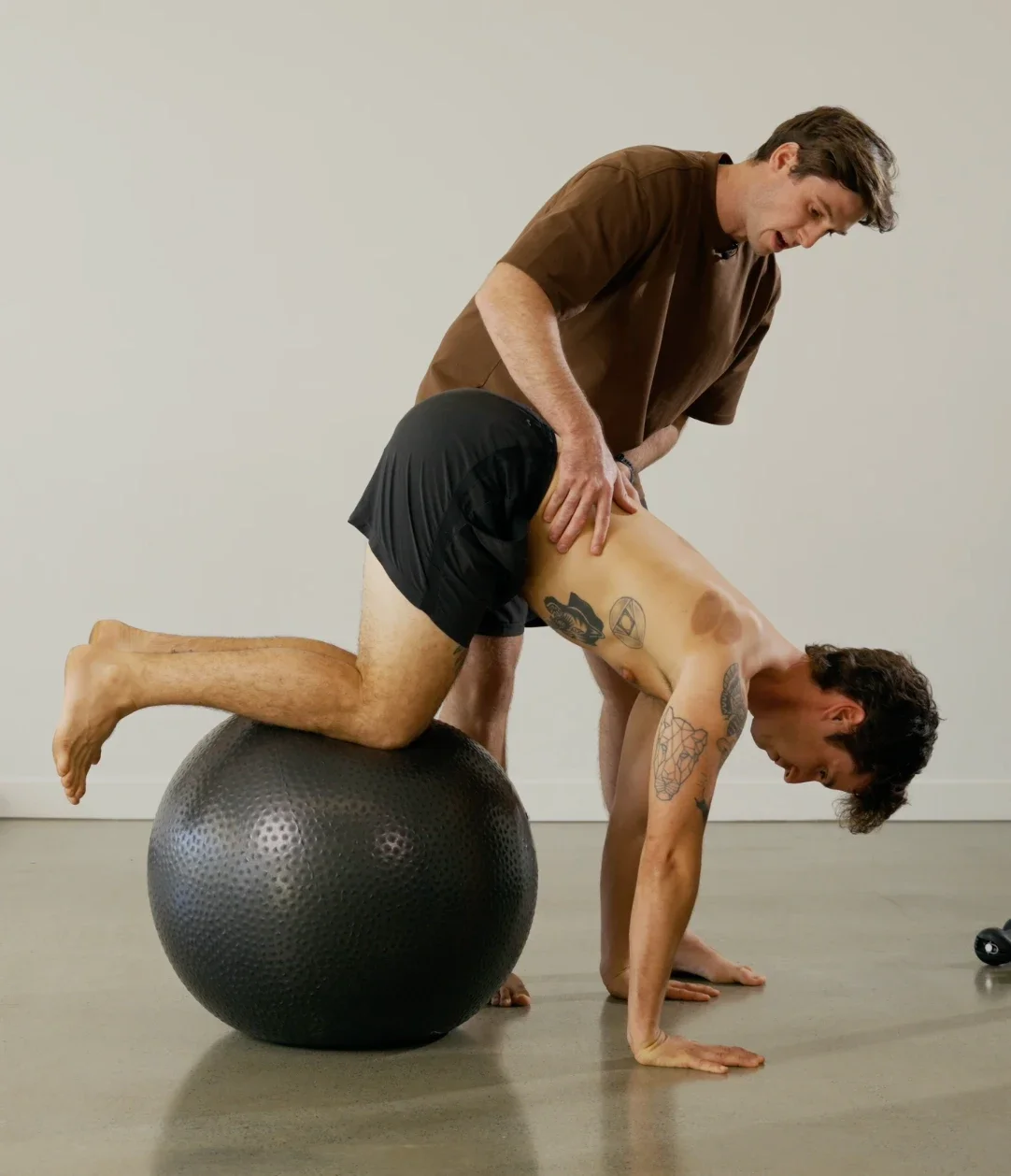
Dynamic Neuromuscular Stabilisation (DNS) may help people of all ages who are dealing with pain, movement issues, or recovering from injury. Whether you're managing ongoing back pain or looking to improve how your body moves, DNS focuses on improving control and strength through stabilisation exercises.
You may benefit from DNS if you:
Have back pain or stiffness
Are you recovering from a physical injury
Want to build strength in your core and back muscles
Experience poor posture or trouble with daily movement
Are involved in sport and want to improve performance or prevent injuries
They are undergoing rehabilitation after surgery
Need support with long-term pain from muscle imbalance or weakness
Start DNS and learn how the body was meant to move

Your first session begins with a one-on-one appointment. Our chiropractor will assess your back, posture, movement, and any current pain or injury concerns.
Book a Consultation

Begin Your Program
Based on your needs, we’ll guide you through DNS exercises that focus on stabilisation, neuromuscular control, and building support in key muscles.

Join the Weekly Class
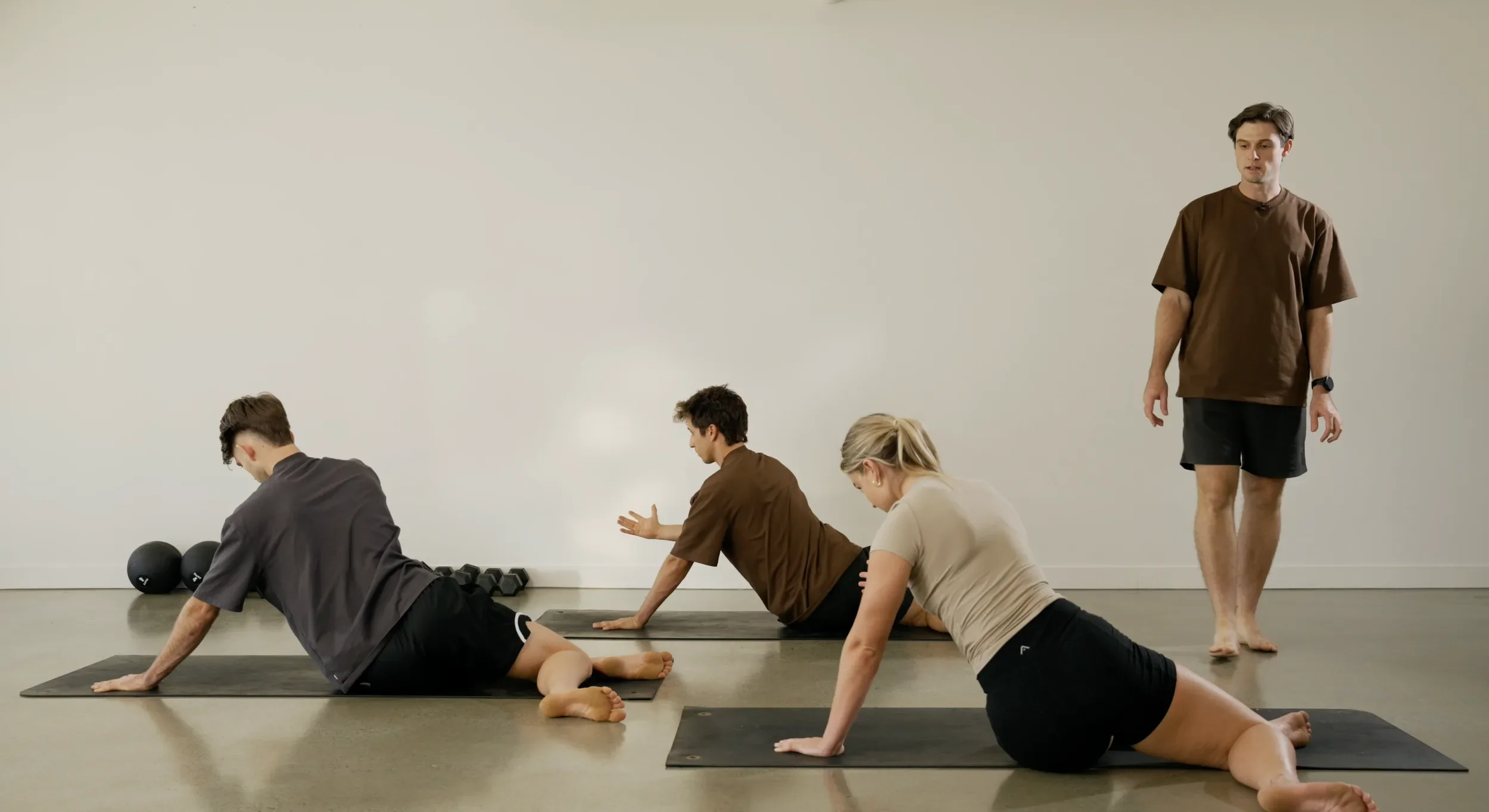
If suitable, you can attend our Tuesday DNS class. It’s a great way to keep progressing with guided movement and exercise in a supportive group setting.

Ongoing Support
We continue to monitor your progress and adjust your rehabilitation or physical therapy plan as needed, especially if you're recovering from injury or back pain.
What Makes Us Different
-

Chiropractic Expertise
Our DNS sessions are run by a qualified chiropractor with experience in treating back pain, managing injury, and supporting full-body rehabilitation through evidence-based care.
-

Whole-Body Focus
We don’t just look at your back. We assess how your muscles, joints, and nervous system work together to create healthy movement and reduce long-term pain.
-
Clear Exercise Plans
You’ll be guided through simple stabilisation exercises that improve control and reduce strain. These are used in both physical therapy and performance settings.
-

Recovery Support
Whether you’re in post-surgery rehabilitation or returning from a sports injury, our goal is to restore normal function and help prevent further issues.
Book Your DNS Consultation in Broadmeadow
If you're dealing with back pain, recovering from injury, or simply want to move better, DNS may help you rebuild strength, improve posture, and reduce pain.
Frequently Asked Questions

-
DNS uses stabilisation exercises to improve how your brain controls muscles during movement. It restores natural function by retraining the neuromuscular system after injury or pain.
-
Yes. DNS is often used for managing back pain by improving posture, core strength, and how your back muscles support movement during daily tasks or exercise.
-
Yes, DNS is safe for people of all ages. Our chiropractor adjusts the exercises to suit your current ability, whether you're in rehabilitation or managing chronic pain.
-
Not at all. DNS is also helpful for improving overall movement, reducing muscle strain, and preventing injury, not just for pain or recovery.