
When something hurts, the first question is usually “ice or heat?”. The honest answer is that it depends on what’s going on. Here’s a simple guide.
The short version
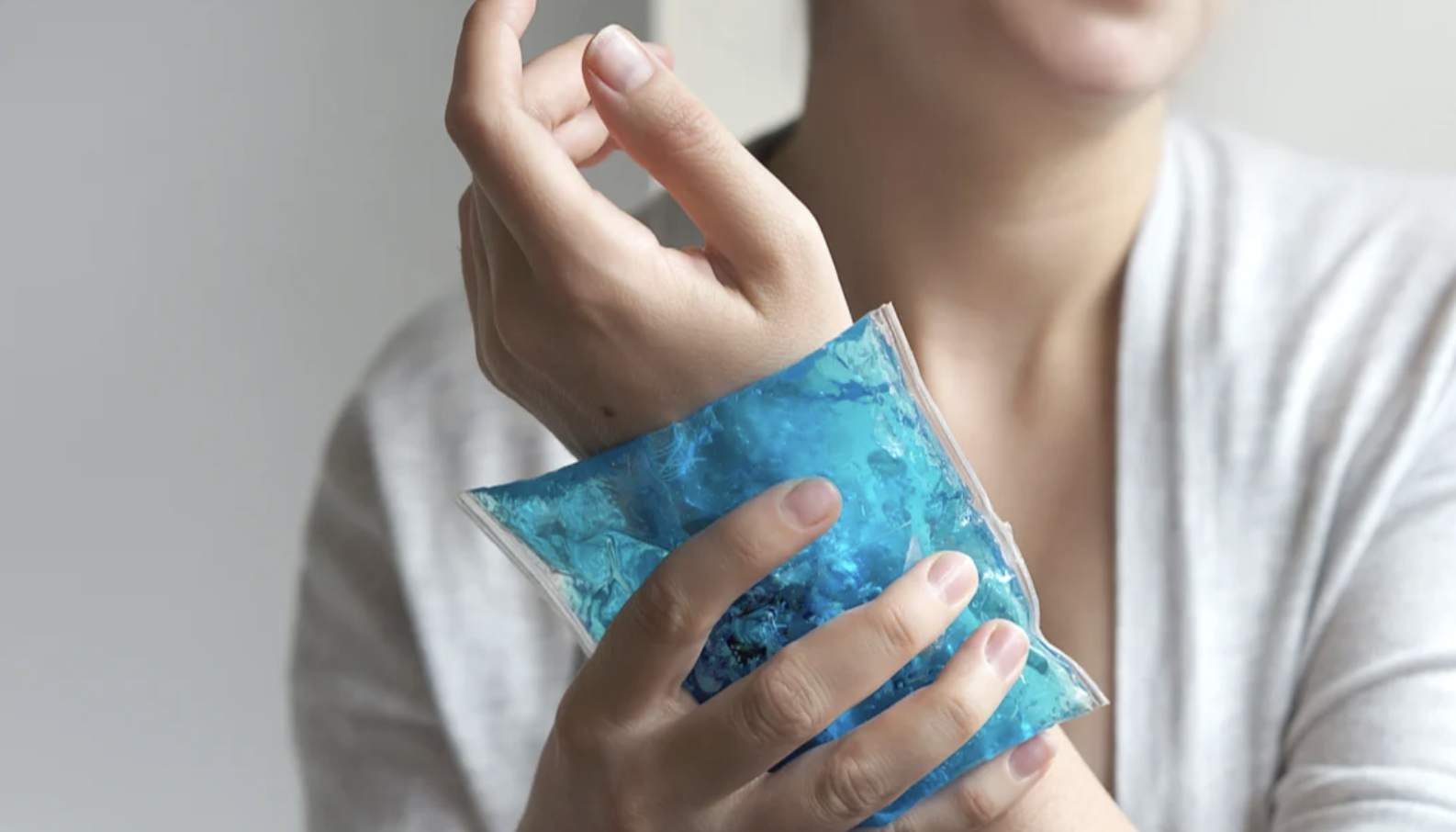
Ice may help with new sore, or swollen areas in the first day or two after a strain or knock.
Heat may help with tight, stiff, or achy muscles.
Neither fixes the underlying cause, and gentle movement usually matters more than either.
When ice may help
Ice can have a numbing effect and may take the edge off pain after a recent injury, such as a rolled ankle or sudden muscle strain. It’s also commonly used when an area is visibly swollen. Think of it as pain relief rather than a way to speed up healing. The research on ice for recovery is mixed, so use it if it makes you more comfortable, not because you feel you have to.
When heat may help
Heat can help muscles relax and may ease stiffness, which is why it’s popular for muscle tension, a stiff neck, or the achy back that builds up after a long day at a desk. Warm showers, wheat bags, and heat packs are all options. Heat is generally better suited to tightness than to anything fresh and swollen.
When to avoid each
Skip heat on areas that are newly swollen, hot, or bruised, as it may make them feel worse
Take care with both if you have reduced sensation, diabetes, circulation problems, or skin conditions. You may not notice if the temperature is causing damage, so check with your health professional first.
Never apply ice or heat directly to bare skin, and don’t fall asleep on a heat pack.
How to use them
Wrap an ice pack in a damp cloth or thin towel and apply for about 15 to 20 minutes, the give your skin a break.
Keep heat warm, not hot, for a similar length of time.
Check your skin regularly. Stop if it becomes painful, very red, or blotchy.
Don’t forget movement
Whichever you choose, try to keep gently moving within what’s comfortable. Resting completely for long periods may leave you stiffer and can potentially make recovery slower. A short walk, light mobility work, or returning gradually to normal activity is often a better focus than finding the perfect temperature.
When to get it checked
See a health professional promptly if you have:
Pain after a significant fall or accident
Numbness, tingling, or weakness that isn’t settling
Fever, or swelling and redness you can’t explain
Calf pain with swelling, warmth, or redness
Pain that wakes you at night or keeps returning
Loss of bladder or bowel control (this is urgent)
How we can help
At Forma Health, we assess the whole picture, not just the sore spot, so we can help you understand what is contributing to your pain, and what your next steps could be. If you’re unsure what your body needs, book an assessment and we’ll work on it with you.
