
Is It Good to See a Chiropractor for Sciatica Pain Relief?
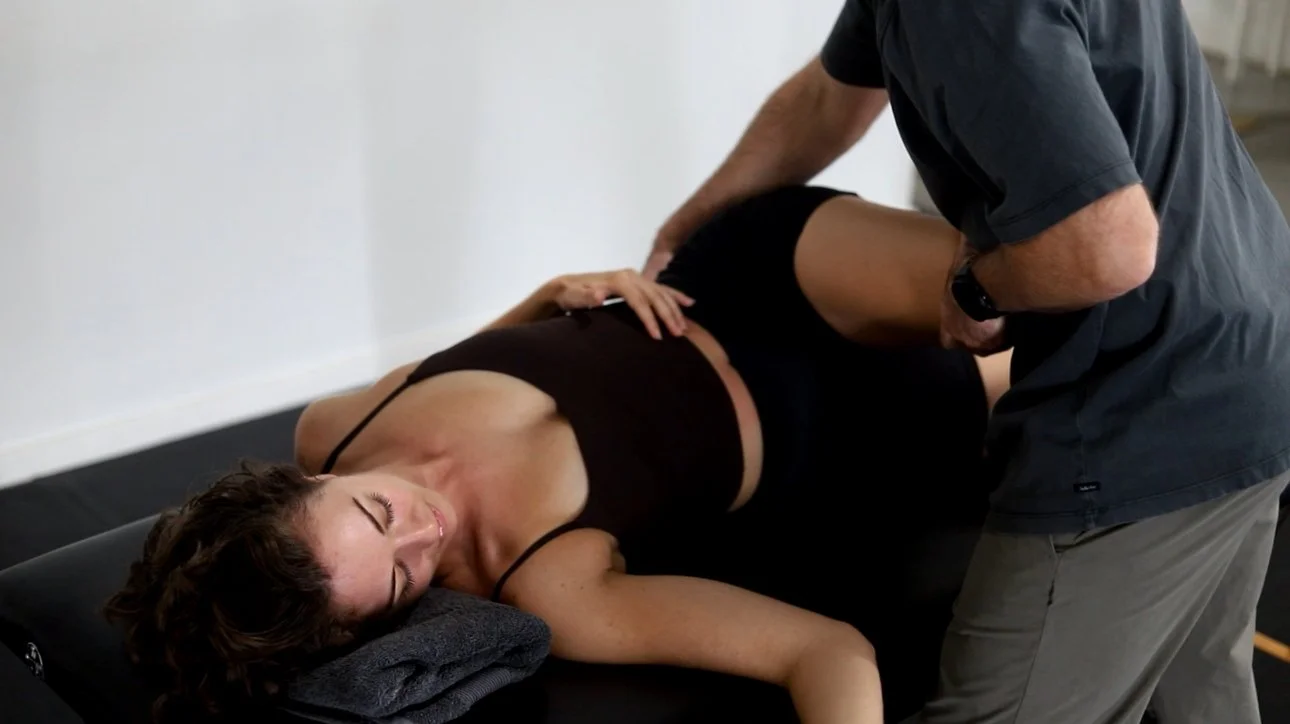
Are you dealing with sharp, shooting pain down your leg that makes even simple tasks feel impossible? Then, you might be wondering whether seeing a chiropractor could help.
Research suggests chiropractic care may be a useful, drug-free option for people managing sciatica. At Forma Health & Rehabilitation in Newcastle, Australia, we take a whole-body, evidence-based approach to sciatica care. Read on to understand whether seeing a chiropractor might be appropriate for you.
What Is Sciatica?
Sciatica isn't a condition on its own but rather a symptom of an issue affecting the sciatic nerve. This nerve is the longest in your body, running from your lower back through your hips and down each leg. When something compresses or irritates this nerve, you experience what's known as sciatica.
Common symptoms include:
Sharp or burning pain radiating down one leg
Tingling or numbness in the leg or foot
Muscle weakness that affects movement
Pain that worsens when sitting, bending, or coughing
Discomfort typically on one side of the body
Sciatica often develops from herniated discs, muscle tension (particularly in the piriformis muscle), or degenerative changes in the spine. Finding the real source is necessary for effective treatment.
How Chiropractors Treat Sciatica
Chiropractors take a whole-body approach to assessing sciatica, focusing on identifying contributing factors rather than addressing symptoms in isolation. At Forma Health & Rehabilitation in Newcastle, our treatment draws on evidence-based techniques and personalised care planning.
1. Spinal Adjustments
Gentle, controlled adjustments aim to improve joint mobility and reduce pressure on surrounding structures. Research indicates this approach may help decrease nerve irritation in some presentations of sciatica.
2. Soft Tissue Therapy
Tight muscles, particularly around the lower back and hips, often contribute to sciatic nerve compression. Soft tissue techniques, including targeted massage therapy and myofascial release, help relax these muscles and improve circulation to support healing.
3. Movement Rehabilitation
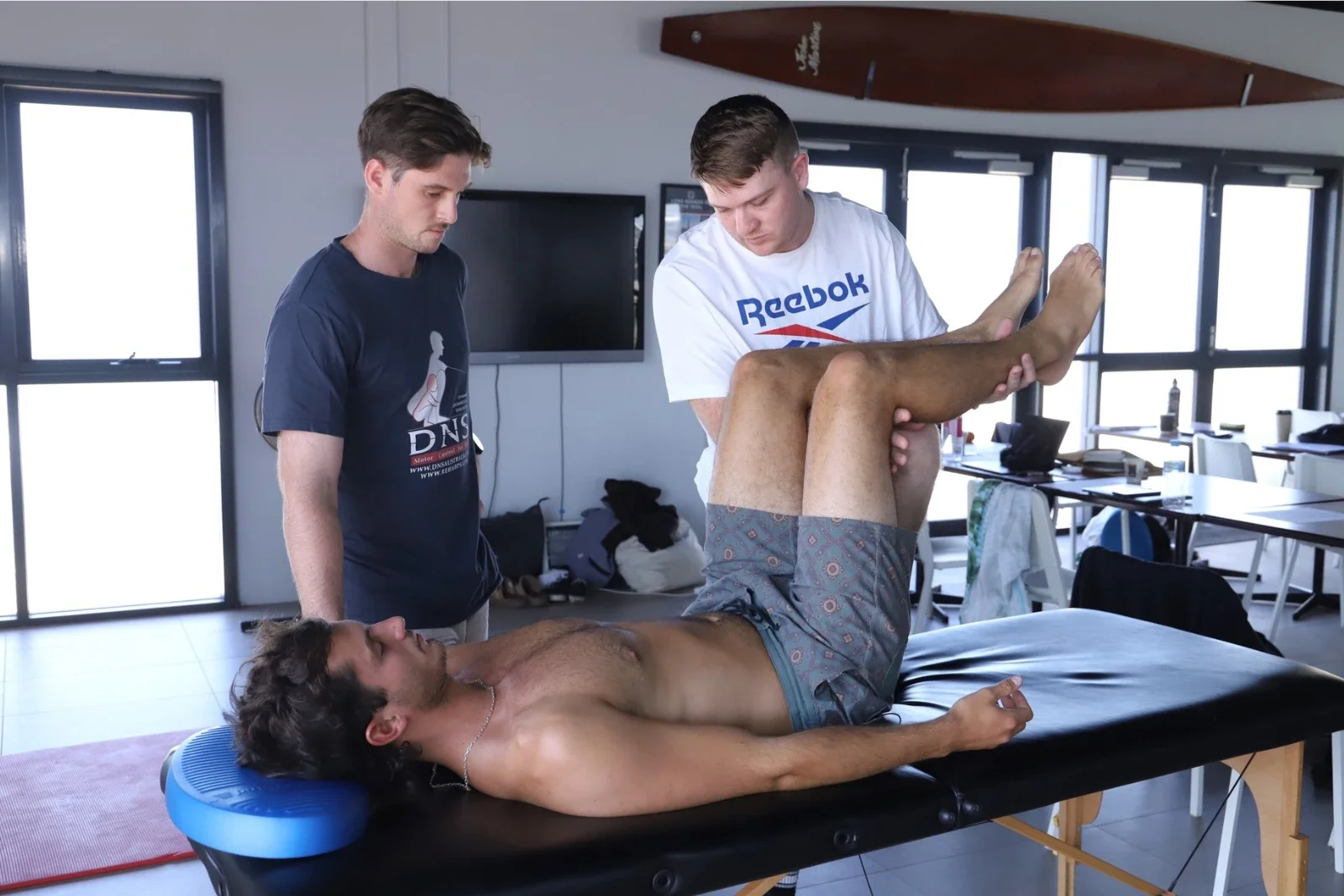
Rehabilitation exercises focus on rebuilding strength and control in the muscles supporting your spine. Techniques such as Dynamic Neuromuscular Stabilisation (DNS) are used to retrain movement patterns and reduce the likelihood of recurrence.
4. Postural Correction
Poor posture places unnecessary stress on your spine and can aggravate sciatica. Your chiropractor will assess your daily habits and offer practical advice on sitting, standing, and sleeping positions that protect your sciatic nerve.

Is Chiropractic Care Effective for Sciatica?
Published research and clinical guidelines suggest chiropractic care may be beneficial for some presentations of sciatica, particularly where the condition involves spinal joint dysfunction, disc involvement, or muscle tension. Individual outcomes vary depending on the cause, severity, and duration of symptoms.
The main benefits include:
Natural pain relief without relying on medication
Personalised care tailored to your specific needs
Includes rehabilitation to support recovery
What to Expect During Your First Visit
At Forma Health & Rehabilitation, your first chiropractic consultation is about learning your story and creating a clear path forward. Here's what typically happens:
Detailed History: We'll discuss your symptoms, lifestyle, and any previous injuries to see the full picture.
Physical Assessment: A thorough examination helps us identify movement patterns, postural issues, and areas of nerve irritation.
Personalised Treatment Plan: Based on what we find, we'll outline a tailored approach that matches your specific needs and goals.
Hands-On Care: Where appropriate, we'll begin treatment during your first visit to start relieving pain and restoring function.
Every step is explained clearly, so you leave feeling confident about your recovery journey.
Who Might Consider Chiropractic Care for Sciatica?
You might consider an assessment if you:
Experience recurring sciatic pain that hasn't responded to rest alone
Want to avoid medication or surgical interventions
Prefer a holistic, whole-body approach to health
Are committed to active participation in their recovery
Take Control of Your Sciatica Today
If you're living with sciatica and want to understand your options, our team at Forma Health & Rehabilitation is here to help. We'll carry out a thorough assessment, explain what we find, and discuss a care plan that suits your situation.
At Forma Health & Rehabilitation in Broadmeadow, Newcastle, our experienced team will assess what’s contributing to your symptoms and explain your options.
Contact us today at (02) 4961 6200 or email admin@formahealth.com.au to book your assessment. Let's work together to treat the source of your sciatica and build a body that lasts.
Frequently Asked Questions
Can a chiropractor really help with sciatica pain?
For some people, as part of a broader plan. Chiropractors assess how your spine, hips, and surrounding muscles contribute to sciatic nerve irritation. Treatment focuses on improving joint mobility, reducing pressure on the nerve, and restoring healthy movement patterns to help relieve pain.
How many chiropractic sessions are needed for sciatica?
The number of sessions varies depending on the severity of your sciatica, how long you’ve had symptoms, and your overall health. Some people experience relief within a few visits, while others benefit from a structured treatment plan for longer-term recovery.
Is chiropractic care safe for sciatica?
Chiropractic care is generally considered safe when performed by a qualified professional. Your chiropractor will assess your condition, review your medical history, and tailor treatment to ensure it’s appropriate for your specific needs.
