
What Type of Magnesium Is Best for Muscle Pain? A Complete Guide

If you're dealing with persistent muscle pain, cramping, or post-workout soreness, you’ve probably been told to try magnesium. Here’s what the research supports, what it doesn’t, and when it worth getting assessed instead.
At Forma Health & Rehabilitation in Broadmeadow, Newcastle, patients often ask whether magnesium will help their muscle pain. Magnesium is an essential mineral, but the research on supplements for muscle pain is more mixed than most marketing suggests.
Why Magnesium Matters for Muscle Health
Magnesium is involved in over 300 biochemical reactions in your body, with muscle function being one of its most critical roles. This essential mineral regulates muscle contractions, supports nerve signals, and aids energy production within muscle cells.
True magnesium deficiency can cause muscle cramps, spasms and weakness, but it is uncommon in healthy people. Australian Bureau of Statistics data sow about 31% of Australians don’t meet their recommended magnesium intake from food. Falling short of an intake target is not the same as being deficient, and it doesn’t mean magnesium is causing your pain.
What Magnesium Does in Your Muscles:
Muscle contraction and relaxation: works alongside calcium to regulate how muscle cells contract and relax.
Energy production: needed to make ATP, the energy muscle cells run on.
These are normal body functions. They don’t mean extra magnesium will reduce pain if your levels are already adequate.
Common Types of Magnesium Supplement
1. Magnesium Glycinate
Magnesium glycinate combines magnesium with the amino acid glycine, creating one of the most bioavailable and well-tolerated forms of magnesium.
What to know:
Many people fine magnesium glycinate gentler on the stomach than other forms. Any form of magnesium can still cause diarrhoea or stomach upset, especially at higher doses. Some small studies suggest magnesium may help people fall asleep slightly faster, but the evidence is low quality and not specific to glycinate.
Often chosen by: People who find other forms upset their stomach.
Dose: Check with your GP or pharmacist (see “How much magnesium do you need?” below)
2. Magnesium Malate
Magnesium malate combines magnesium with malic acid, a compound involved in cellular energy production.
What to know:
Malic acid is involved in the body’s energy production. Magnesium malate is often marketed for fatigue and muscle pain, but there is little good-quality research showing it helps either.
Dose: Check with your GP or pharmacist (see “How much magnesium do you need?” below)

3. Magnesium Citrate
Magnesium citrate, bound with citric acid, creates one of the most readily absorbed magnesium forms.
What to know:
Magnesium citrate is well absorbed and is commonly used when a doctor has diagnosed low magnesium. It also has a laxative effect, so it is more likely than other forms tp cause loose stools or stomach upset. There is no good evidence that magnesium prevents exercise-related cramps.
Dose: Check with your GP or pharmacist (see “How much magnesium do you need?” below)
What About Topical Magnesium?
Does Magnesium Help Muscle Cramps?
A 2020 Cochrane review of 11 trials found magnesium is unlikely to meaningfully reduce night-time leg cramps in older adults. There were no trials on exercise-related cramps. Results for cramps in pregnancy are mixed, so if you’re pregnant, talk to your GP or midwife before taking magnesium.
Magnesium oils, creams, and Epsom salt baths are popular for relieving muscle pain. Scientific evidence suggests very little magnesium actually absorbs through skin, though. The benefits likely come from warmth, massage, and relaxation rather than meaningful magnesium absorption.
Use topical magnesium if it feels soothing, but don't rely on it as your sole source of magnesium.
How Much Magnesium Do You Need?
Recommended daily intake:
Men (19-30 years): 400 mg
Men (31+ years): 420 mg
Women (19-30 years): 310 mg
Women (31+ years): 320 mg
Most people can meet these amounts through food. If you take a supplement, the safe upper limit for adult is 350 mg a day of magnesium from supplements, on top of what you get from food. Check the label for “elemental magnesium”, which is the actual amount of magnesium in each dose. Talk to your GP or pharmacist before starting, especially if you have kidney problems, are pregnant, or take regular medication.
Magnesium-rich foods: Leafy greens, nuts, seeds, whole grains, legumes, and dark chocolate.
When to Get Your Pain Assessed
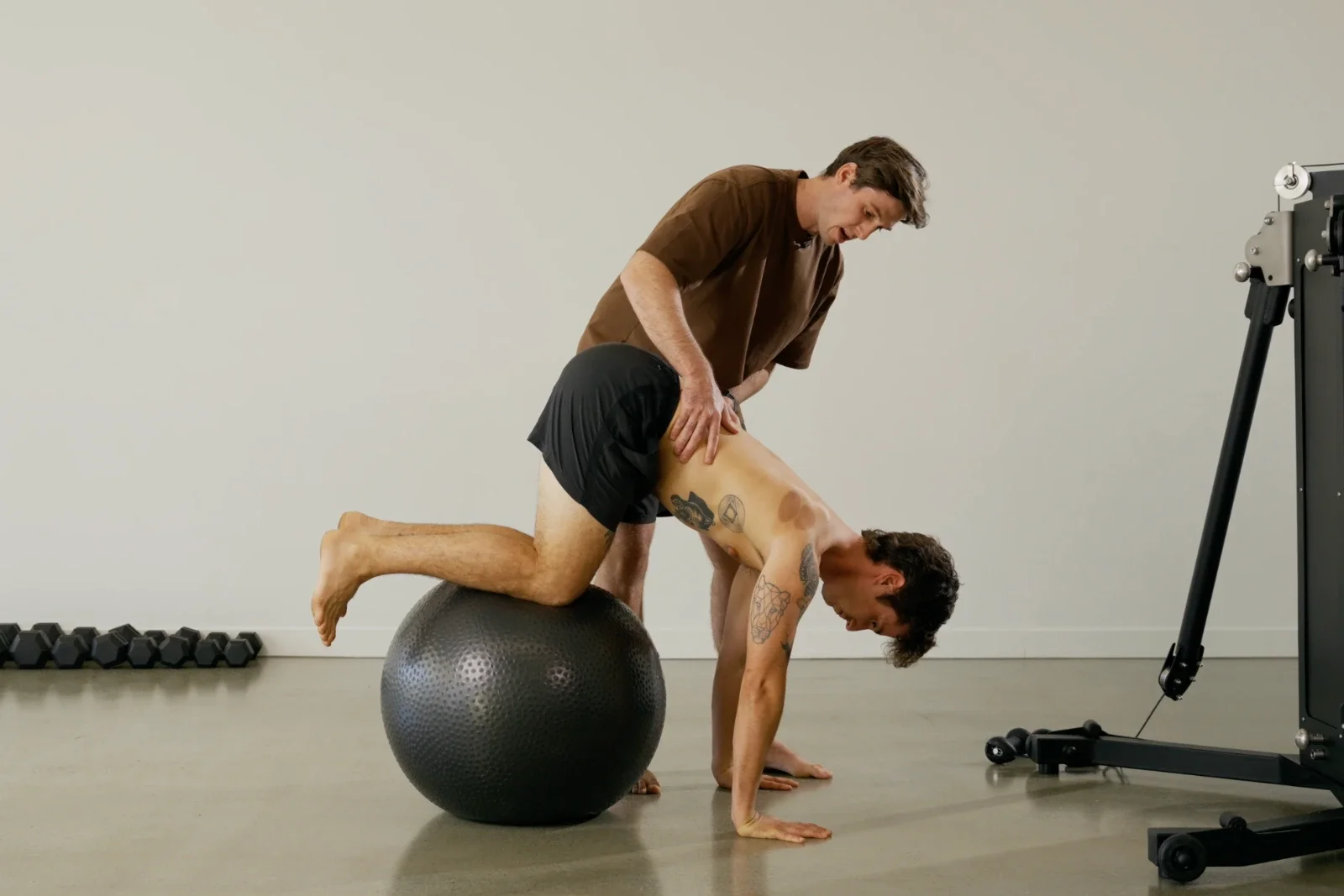
Magnesium won’t fix most muscle pain on its own. Persistent or recurring pain usually has more to do with ow you move, load and recover. At Forma, your practitioner will assess what’s relevant to you and explain your options.
Services at Forma include:
Chiropractic: Assessment, manual therapy and exercise-based rehabilitation where clinically appropriate.
Osteopathy: A whole-body view of movement and function, with hands-on care and rehabilitation where appropriate.
Dynamic Neuromuscular Stabilisation (DNS): An exercise-based approach that considers breathing, posture and movement control.
Safety: What to Check First
Side Effects: The most common is stomach upset, especially diarrhoea. It is more likely with magnesium citrate or oxide and at higher doses. Starting low can help.
Medicines and Health Conditions: Magnesium can interact with some medicines, including certain antibiotics, osteoporosis medicines (bisphosphonates), blood pressure medicines and diuretics. People with kidney disease should not take magnesium supplements unless their doctor advises it. Check with your GP or pharmacist before starting if you take regular medication.
When to Seek Help: If your muscle pain is persistent or severe, don’t rely on supplements alone. Ongoing pain can have causes that need proper assessment.
Book an Assessment
If muscle pain is affecting your work, training or sleep, book an initial consultation at Forma in Broadmeadow. Your practitioner will take your history, assess how you move, and explain what’s going on and what your options are.
References
Garrison SR et al. Magnesium for skeletal muscle cramps. Cochrane Database Syst Rev 2020
Mah J, Pitre T . Oral magnesium supplementation for insomnia in older adults. BMC Complement Med Ther 2021
Gröber U et al. Myth or reality – transdermal magnesium? Nutrients 2017
NHMRC Nutrient Reference Values: Magnesium
Australian Bureau of Statistics: Australians continue to need more calcium
