
What is the Difference Between Osteopath and a Physiotherapist?

If you've ever stood at the crossroads of booking a healthcare appointment, wondering whether to see an osteopath or a physiotherapist, you're not alone. It's one of the most common questions we hear at Forma Health & Rehabilitation in Newcastle. Both professionals help with pain, injury recovery, and movement issues, but their approaches differ in meaningful ways. Let's break down what sets these two professions apart so you can make the right choice for your health.
Understanding Osteopathy
Osteopathy is a hands-on approach to healthcare that views your body as an interconnected system. Rather than just treating the area where you feel pain, osteopaths look at how your joints, muscles, nerves, and other body systems work together.
At Forma Health, our osteopaths use manual therapy techniques including soft tissue massage, joint mobilisation, stretching, and gentle manipulation to restore balance and function. The philosophy centres on the body's natural ability to heal itself when given the right support.

Osteopaths commonly treat back pain, neck pain, headaches, joint stiffness, sports injuries, and chronic tension. If you've got lower back pain, your osteopath might assess your pelvis, hips, and even your feet to work out what's contributing to your discomfort.
In Australia, osteopaths complete a 4 to 5-year university degree and are registered with the Australian Health Practitioner Regulation Agency (AHPRA).
Understanding Physiotherapy
Physiotherapy focuses on restoring movement and function through exercise, education, and hands-on treatment. Physiotherapists are movement specialists who help you recover from injuries, manage disabilities, and improve your physical performance.
While physios do use manual therapy techniques like joint mobilisation and soft tissue work, their treatment plans typically centre on active rehabilitation. You'll often receive tailored exercise programs designed to strengthen weak areas, improve flexibility, and retrain movement patterns.
Physiotherapists work with a wide range of conditions, including sports injuries, post-surgical rehabilitation, sciatica, tendon problems, and arthritis. They're particularly skilled at guiding you through structured recovery programs that build strength and resilience over time.
Like osteopaths, physiotherapists in Australia complete a 4-year university degree and must be registered with AHPRA. Some work in private clinics, while others specialise in hospital settings, treating stroke patients, spinal injuries, and post-operative care.
Key Differences in Treatment Approach
The main difference between osteopathy and physiotherapy comes down to their treatment philosophy and methods.
Osteopaths typically take a more hands-on, manual therapy approach. Treatment sessions focus heavily on techniques performed by the practitioner, with your body being guided through specific movements and manipulations. Some osteopaths use spinal manipulation, alongside mobilisation and soft tissue techniques.
Physiotherapists lean more heavily on exercise-based rehabilitation. While they'll use hands-on techniques, the focus shifts towards what you can do independently to improve your condition. You'll receive targeted exercises, movement retraining, and strategies to manage your symptoms between sessions.
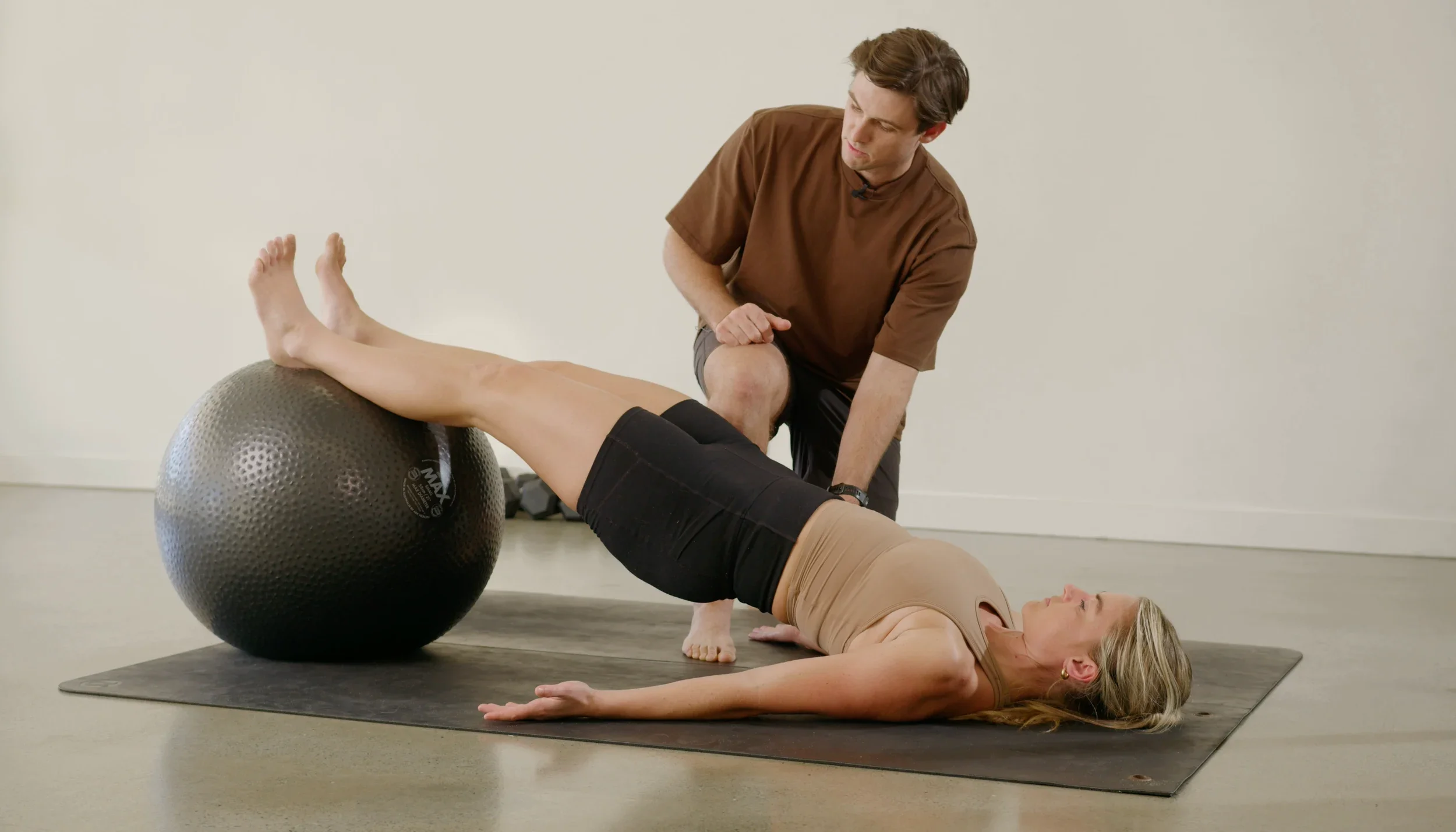
Another difference is the scope of assessment. Osteopaths often take a holistic view, examining areas that might seem unrelated to your pain. Physiotherapists approaches vary more between individual practitioners than between the two professions.
That said, there's plenty of overlap. Many modern practitioners blend approaches, and the lines between the two professions continue to blur as both evolve.
Similarities Between Both Professions
Despite their differences, osteopaths and physiotherapists share more similarities than you might think.
Both professions require extensive university training in anatomy, physiology, biomechanics, and manual therapy. They're both registered healthcare professionals governed by the same regulatory body, ensuring high standards of education and ethical practice.
Both can assess and diagnose musculoskeletal conditions, teach you about pain, and develop treatment plans tailored to your specific needs. Neither requires a GP referral, so you can book directly when you need help.
Which One is Right for You?
Choosing between an osteopath and a physiotherapist often comes down to personal preference and the nature of your condition.
Consider seeing an osteopath if you prefer hands-on treatment, have widespread discomfort that feels connected across multiple areas, or want a whole-body approach to sorting out your pain.
Consider seeing a physiotherapist if you prefer exercise-based rehabilitation, need post-surgical recovery support, want structured programs to build strength and control, or respond well to active self-management strategies.
At Forma Health & Rehabilitation in Broadmeadow, we have both osteopathy and chiropractic care under one roof, along with Dynamic Neuromuscular Stabilisation (DNS), and chronic pain management. Our integrated approach means you get practitioners that can refer to each other within the clinic.
Whether you're dealing with back pain, a sports injury, chronic tension, or simply want to move with greater freedom, the right practitioner is the one who listens, assesses thoroughly, and creates a plan that works for your body and lifestyle.
Take Control of Your Health Today
Still unsure which service is right for you? At Forma Health & Rehabilitation, our experienced team in Broadmeadow has years of experience helping Newcastle locals recover from injury.
Book your appointment today and let us guide you towards better movement and less pain. Whether you choose osteopathy, chiropractic care, or a combination of services, you'll receive expert rehabilitation-first care tailored to your needs.
